← 策展與作品 / Curation & Works

無地之愛:黃孫權個展

U-topophilia: Huang Sun-Quan Solo Exhibition
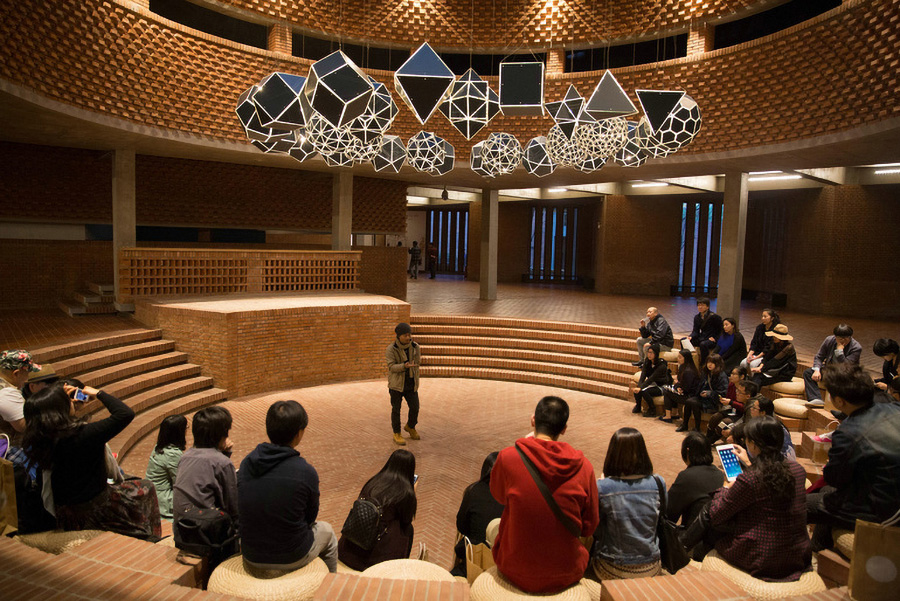
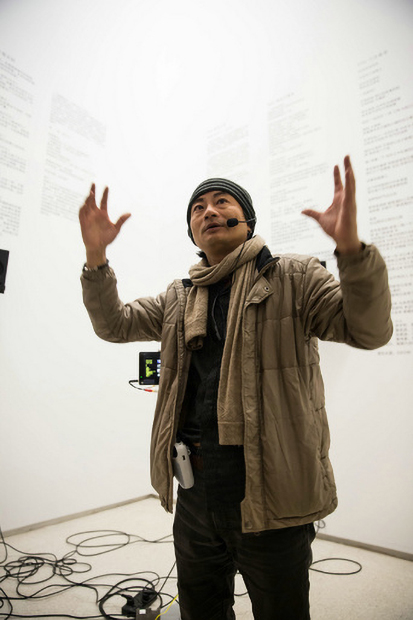
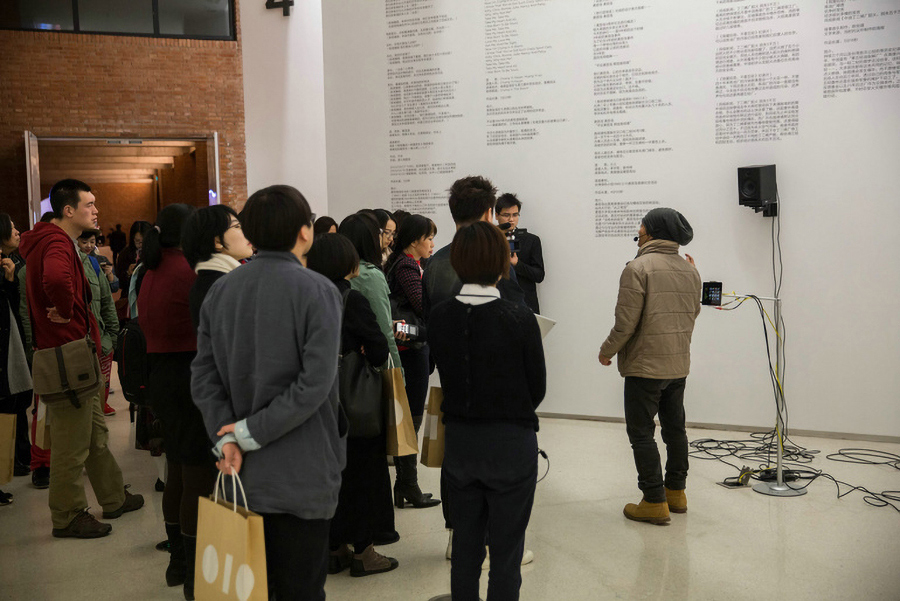
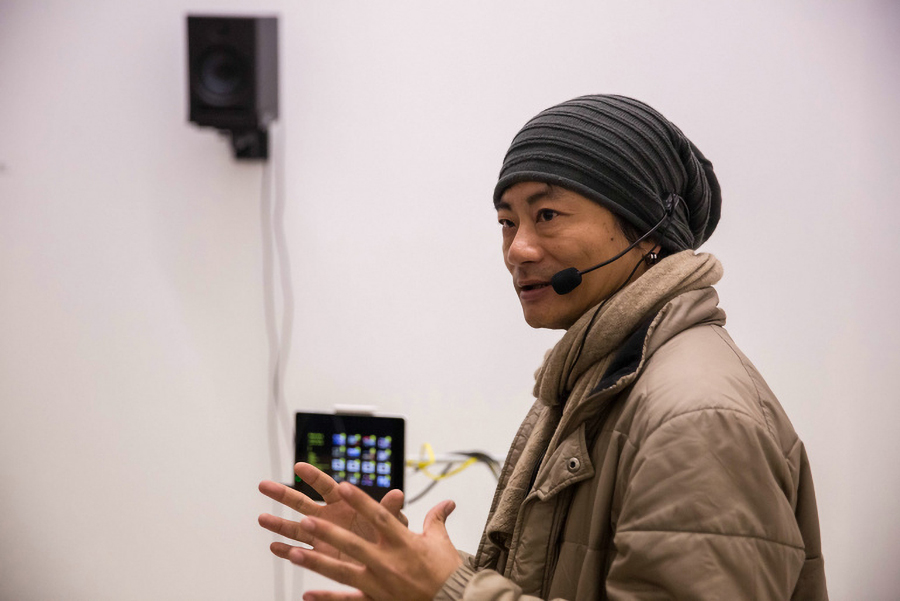
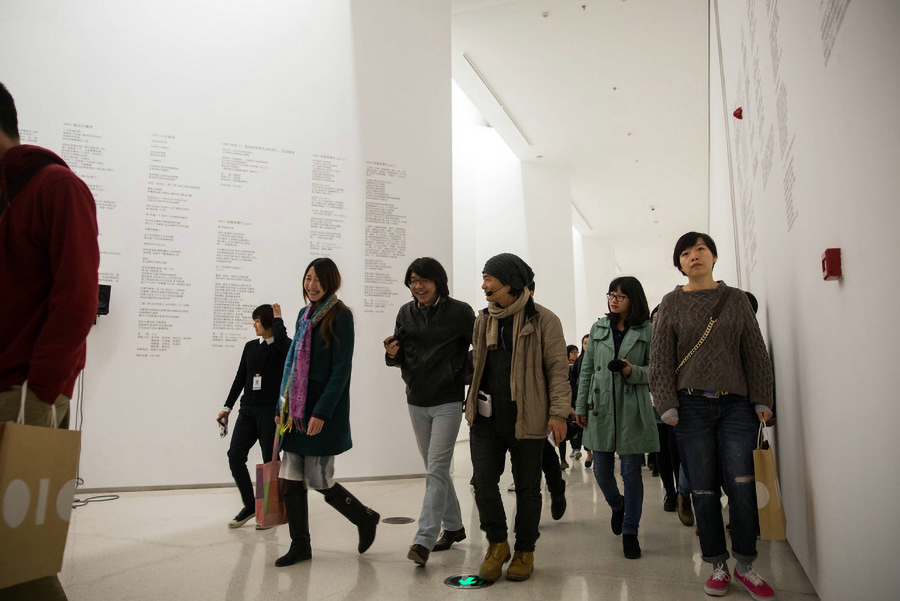
2014-10-22 – 2015-01-25 · 北京紅磚美術館 / Red Brick Art Museum, Beijing · 個展 ARTIST (Solo)
無地之愛:黃孫權個展 – 1
無地之愛:黃孫權個展 thumbnail 1無地之愛:黃孫權個展 thumbnail 2無地之愛:黃孫權個展 thumbnail 3無地之愛:黃孫權個展 thumbnail 4無地之愛:黃孫權個展 thumbnail 5無地之愛:黃孫權個展 thumbnail 6無地之愛:黃孫權個展 thumbnail 7無地之愛:黃孫權個展 thumbnail 8無地之愛:黃孫權個展 thumbnail 9無地之愛:黃孫權個展 thumbnail 10無地之愛:黃孫權個展 thumbnail 11無地之愛:黃孫權個展 thumbnail 12無地之愛:黃孫權個展 thumbnail 13無地之愛:黃孫權個展 thumbnail 14無地之愛:黃孫權個展 thumbnail 15無地之愛:黃孫權個展 thumbnail 16無地之愛:黃孫權個展 thumbnail 17無地之愛:黃孫權個展 thumbnail 18無地之愛:黃孫權個展 thumbnail 19無地之愛:黃孫權個展 thumbnail 20無地之愛:黃孫權個展 thumbnail 21無地之愛:黃孫權個展 thumbnail 22無地之愛:黃孫權個展 thumbnail 23無地之愛:黃孫權個展 thumbnail 24
1 / 24

烏托邦是人類不滿現實而頑強希望的歷史。Utopia 的 u 希臘字源來自 ou-topos,即無地方,接近英文的 a-topia;U 也可解釋成 eu-topos,意味著快樂美好。Topophilia 則是地方之愛、場所之愛,著名人文地理學者段義孚的一本書便以此命名,展現人們對地方之認同與情感生成。

U-topophilia,同時包含了愛無地以及地之愛的衝突意涵。這衝突之意涵卻指出實踐新意:從屬地主義式的認同與美好幸福的地方感,藉由認識諸眾與地方之差異,轉而無地之愛的社會性藝術實踐——這也許是面對當今新自由主義造成的社會生活分裂下,藝術生產最有意義的面向之一。本展四件作品展示了藝術行動者如何從創作者的主體觀,轉變成與田野成為共同生產者的團體協作過程,從地方之愛到無地之愛的實踐轉變。

Utopia is the history of humanity's dissatisfaction with reality and its tenacious hope. The 'u' in Utopia derives from the Greek ou-topos, meaning 'no place' — close to the English a-topia. It can also be read as eu-topos, meaning a good or happy place. Topophilia, in turn, is love of place, love of locale — the title of a well-known book by the humanist geographer Yi-Fu Tuan, which traces how people form identity with and emotion through place.

U-topophilia holds within it the conflicting meanings of loving no-place and loving place. Yet this very conflict points to a new kind of practice: through recognizing the differences between the multitude and place, an identity rooted in territorial belonging and a sense of good, happy place shifts toward a Societal Art practice of U-topophilia. Under the social fracture produced by contemporary neoliberalism, this may be one of the most meaningful dimensions of art production today. The exhibition's four works trace how art practitioners move from a creator-centered subjectivity toward collective processes of co-production with the field — a shift in practice from topophilia to U-topophilia.

臺灣學者,前《破報》主編黃孫權和我及美術館團隊將一同發起地方敘事與社會性空間系列研究和展示計劃。

此計劃的工作目標和構建中的課題,將討論,在目前普遍的藝術與倫理、娛樂和政治的混亂合謀中,如何重新將藝術考慮為變動的媒介;如何在不同的話語和社會實踐空間中,分析藝術邊際和定位思考,如何通過田野打通日常生活和社會思想層面的行動,由此計劃喚起藝術的現實能力的討論;另一方面,通過對這些不同於當前流行中的藝術案例的觀察和討論,來辨析,在今天,是否可能重新刷新藝術的能動力,是否可以直接去做藝術的行動而不僅僅囿於某種藝術界限的自律之中創作;藝術如何與周圍及現實產生更多的連結性生產。

這個項目的首個計劃將由黃孫權這些年思考和執行中的四個項目的展示和討論開始,並在今後兩至三年時間內,提出以"地方敘事與社會性空間"為研究和展示的系列計劃。

在黃孫權的工作中,作為田野者,亦是思考者和行動者。田野的目的是遍尋、羅列事物狀態之生成,在此成為對現實的歷史狀態的深讀者;亦是收集、整理和思考所處問題的種種潛在脈絡,並在一種深入的展開中,尋找歷史和現實的迴響;同時,成為合格田野者時的狀態就是思想者,不斷辨析歷史和現實的話語陷阱,凝聚批判和思考成為行動力,如此面對不可知的界面,自己成為行動和改變的主體。

在其工作中,也看到這樣的線索:思考如何建構我們的藝術目的論和行動力,在藝術、建築、都市研究、媒介研究的跨界中提供可能的思想資源與學科的建造;促成訓練、鍛鍊與教育的同時發生,也以此促動新的當代藝術策展的可能性,使藝術在今天面對所處遇和共時性問題、不同的社會層面,有創造性的剖析,並對項目的相關"地點"帶來的影響。"無地之愛——黃孫權個展"正在某種程度上呈現他的思考和工作的不同面向。

這個展覽並非簡單的關於創作的展示,而是方法的討論和行動的建立。世界上總是發生着各種不同的藝術創作實踐。在這個計劃中,如何將不同於主流,但處於各種思想前沿的人們的思考和行動重新聚集在一起,建構可能的、新的藝術與社會的界面,是我們在項目的展開中所期待的。

Huang Sunquan, Taiwan scholar and former chief editor of Pots Weekly, will launch the Local Narration and Societal Space study and exhibition series projects together with me and the art museum team. The work objectives and the constructing subjects will discuss, in the universal chaotic conspiracy of art with ethics, entertainment and politics at present, how to turn art concern into changing media again; how to analyze margin of art and positioning thinking in different discourses and societal practice spaces; how to arouse discussion about the realistic capability of art with this project through connecting daily life and social ideological actions with fieldwork; on the other hand, to analyze whether it's possible to refresh the initiative power of art today, and whether we could directly do artistic action rather than merely limited in some sort of autonomy of art; meanwhile, how could art generate more related production associated with the surrounding and reality.

The first plan in this project will start from the exhibition and discussion of four projects which Huang Sunquan has been thinking about and implementing these years; moreover, we plan to propose series of projects studying and showing Local Narration and Societal Space in the upcoming two to three years.

Huang Sunquan is working as a fieldworker, as well as thinker and activist. The purpose of fieldwork is to look for and list the forming of things and situations, thus to become a deep reader of realistic historical situations; moreover, it is also to collect, sort out and think about various potential context of problems, and to look for historical and realistic echo in a thorough launching; at the same time, a qualified fieldworker is a thinker, who constantly analyze and differentiate discourse traps in history and reality, and get mobility in critique and deliberation, thus to face the unknown world and become the subject of action and change.

In other works, we also see such clues: thinking about how to construct our art teleology and power of action, to provide possible thinking resources for disciplines construction in the cross-field work of art, architecture, urban study and media study; thus to promote training, practicing and education, meanwhile to promote the new possibilities in contemporary art curatorship; so as to make art have creative analysis when facing today's environment and synchronic problems on different "social" levels, and influence related "site" of the projects.

U-topophilia: HUANG Sunquan's Solo Exhibition presents different aspects in Huang's thinking and working to a certain extent, and it is not simply a show of art creation, but rather a discussion of methods and establishment of action.

Benjamin once said, in ancient society art created a new perception. There are always different artistic creation and practice happening unceasingly around the world. In the project Local Narration and Societal Space, what we are looking forward to while launching the project is how to re-gather the thinking and action of those who are out of the main-stream yet have been advanced in thought together, in order to construct possible and new interface between art and society.

Based on such discussion, presentation and publications, can art generate meaning towards the reality, the society, the community and the people? I particularly hope it will emerge from the names we mentioned and the things we listed in the project, gradually but steadily, generate new possibilities.
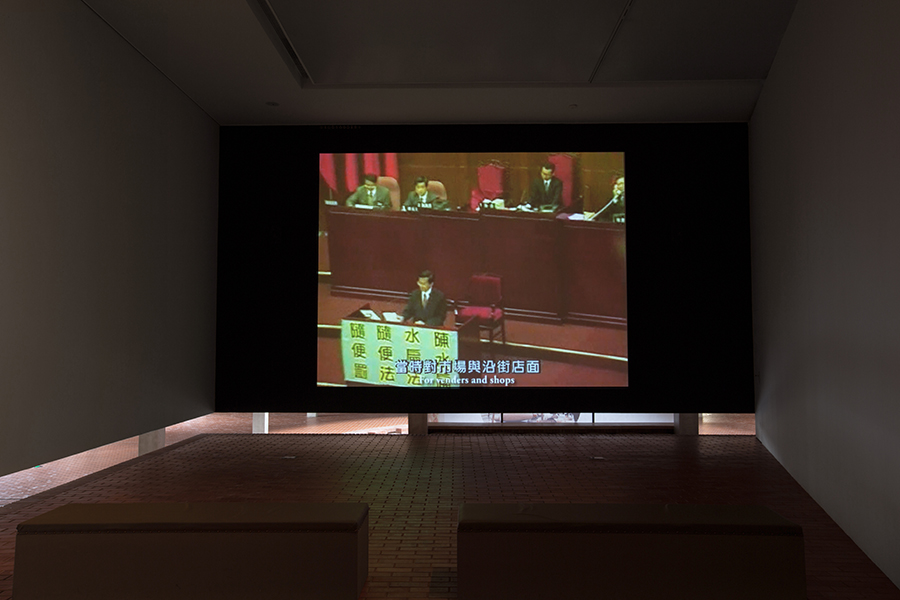
  1. 01
    我們家在康樂里
    Our New Homeland
    1997 · 紀錄片(86 分鐘) · documentary (86 min.)

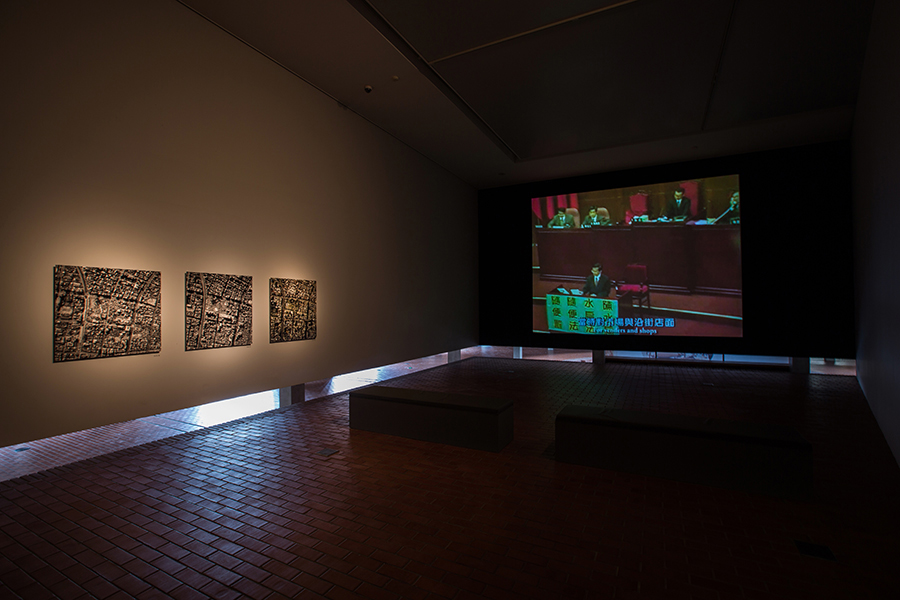
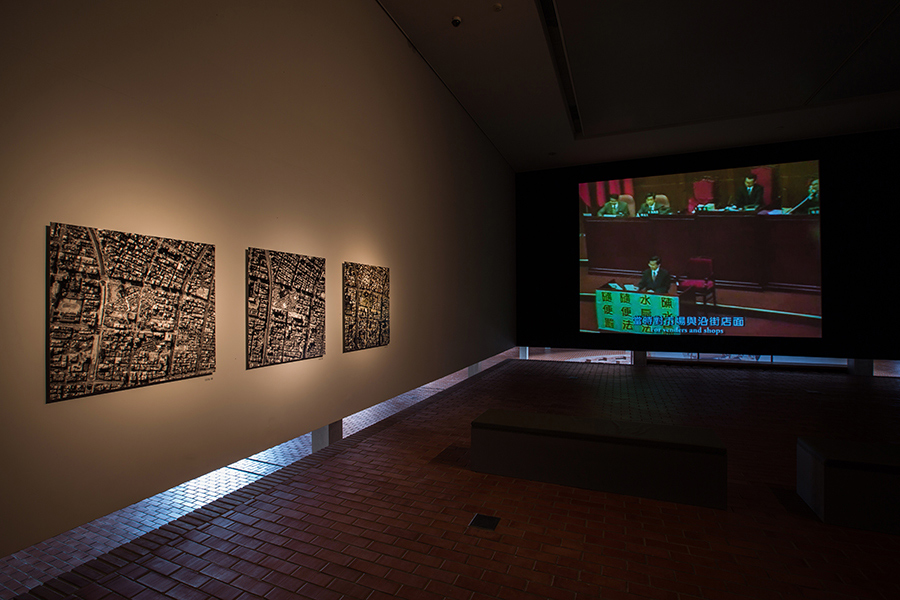
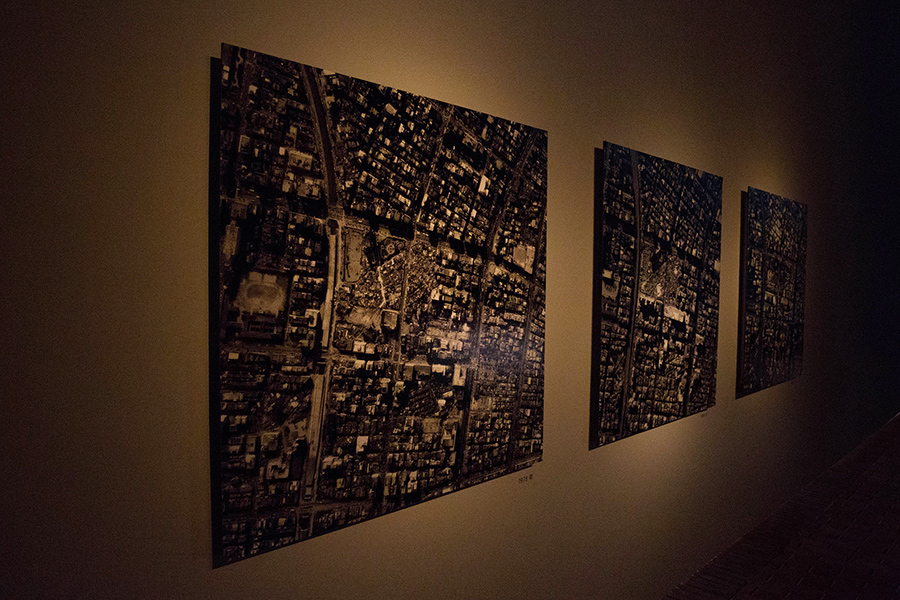
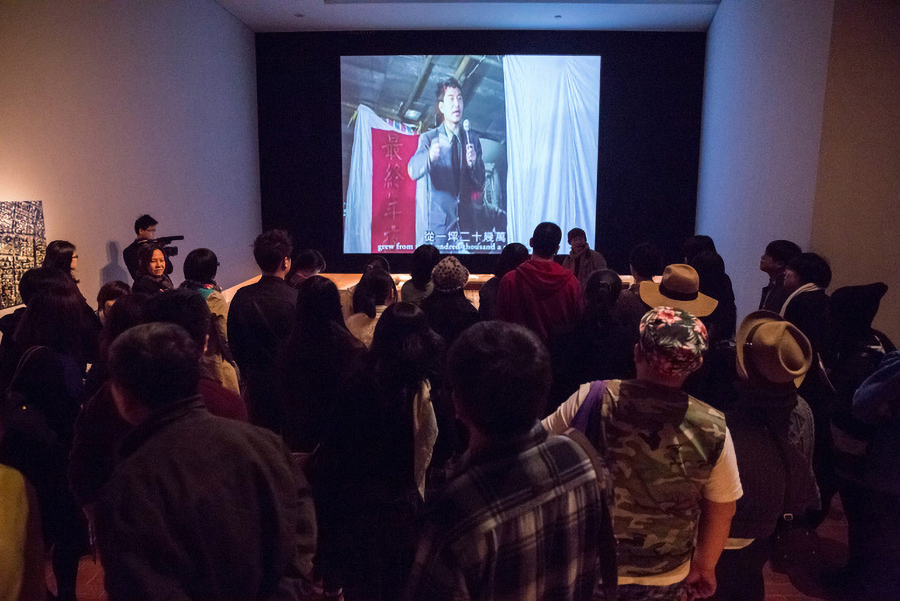
    記錄 1997 年臺灣第一場都市社會運動「反市府推土機」——臺北市長在短短三個月內拆遷了一個六十多年的違建社區,引發臺北都市統治的政治危機與一連串空間議題的行動。導演既是運動組織領導者也是記錄者,這部 86 分鐘的紀錄片是華人地區第一部聚焦都市更新與社會運動的作品,已成為臺灣大學建築與社會學專業的指定參考資料。

    A documentary of "Protest against the Municipal Bulldozers" — the first urban social movement in Taiwan (1997), when the mayor of Taipei had a sixty-year-old informal community demolished in three months, triggering a political crisis and a string of actions on spatial issues. 86 minutes; the director was both the organiser of the movement and its recorder. The first documentary in Chinese-speaking communities to focus on urban renewal and social movement, it has since been adopted as required reading across architecture and sociology programs at National Taiwan University.

  2. 02
    日常生活的一天
    A Day
    2012–2013 · 21 屏影像裝置(6 分鐘) · 21-screen video installation (6 min.)

    受尼采「城市文字的歷史會殺死石頭的歷史」啟發,本作追問:石頭的歷史又如何殺死勞動力的歷史?黃孫權在臺北、高雄邀請菲律賓、印尼、泰國、印度等國外籍移工,以及在深圳邀請不同崗位的勞工,以自己的手機拍攝一日所見;電腦程式處理後以 21 屏 6 分鐘影像裝置呈現。臺灣 42 萬國際移工的家務勞動與工廠建築撐起臺灣經濟,深圳的外省勞工則在 30 年間將漁村變成全球城市——他們的尋常眼光,正是支撐現代市民生活的基石。曾於 2012 深港城市╱建築雙城雙年展、高雄勞工博物館展出。

    Inspired by Nietzsche's remark that "the history of texts (cities) will kill the history of stones," A Day asks a further question: how does the history of stones kill the history of labour? Huang invited migrant workers from the Philippines, Indonesia, Thailand and India living in Taipei and Kaohsiung, and workers across a variety of posts in Shenzhen, to film a single day of their own sight on their phones; the computer-processed footage is presented as a 21-screen, 6-minute video installation. The 420,000 international migrant workers in Taiwan, whose housework and construction labour underpin the economy, and the migrant workforce in Shenzhen, which turned a fishing village into a global city in thirty years — their ordinary gaze is the footstone that sustains modern civic life. Previously shown at the 2012 Shenzhen–Hong Kong Bi-City Biennale of Urbanism\Architecture and the Kaohsiung Museum of Labor.

  3. 03
    複島
    Islands Series
    2011–2014 · 多媒體系列(AR、錄像、聲音裝置) · multimedia series (AR, video, sound installation)

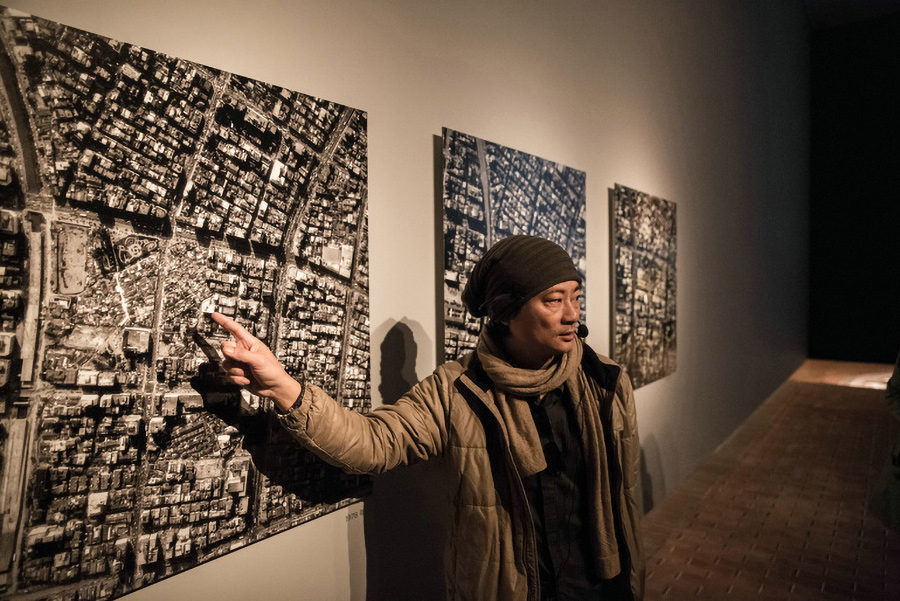
    關於高雄旗津沙洲從日據時期至今的歷史演變與空間政治的系列作品,由三個不同時期的創作延伸而成:《複島》(2012–14)以多媒體裝置結合開源碼 AR 軟體與自動敘事機器,供民眾手機下載後「親訪」旗津重要地點;《Memo-scape 錄地景》(2014)從工作坊與田野訪談找出社區老照片,尋人尋景「復刻」雙重故事;《高雄點唱機》(2014 高雄美術館)以聲音化地方歷史的點唱機形式,混合當代日常聲響與歷史事件錄音。團隊 2011 年底由高師大跨領域藝術研究所黃孫權教授組成,與旗津居民長期協作,以「集體」組織方式重繪諸眾公共歷史。

    Islands Series: an investigation of the historical transformation and spatial politics of Qijin, a sandbar in Kaohsiung, Taiwan, from the Japanese colonial era to the present. The series unfolds across three works — Islands (2012–14), a multimedia installation with open-source AR software and an auto-narration machine that visitors download on their phones to "visit" significant sites in Qijin; Memo-scape (2014), drawing on community workshops and field interviews to find old photographs and then "re-performing" the doubled story of people and place; and Kaohsiung Jukebox (2014, Kaohsiung Museum of Fine Arts), a jukebox that transforms local history into sound by mixing contemporary urban soundscapes with recordings of historical events. Organised in late 2011 by Prof. Huang Sun-Quan at the Institute of Interdisciplinary Arts, National Kaohsiung Normal University, the team works in long-term collaboration with Qijin residents through "collective" organisation to rewrite public histories.

  4. 04
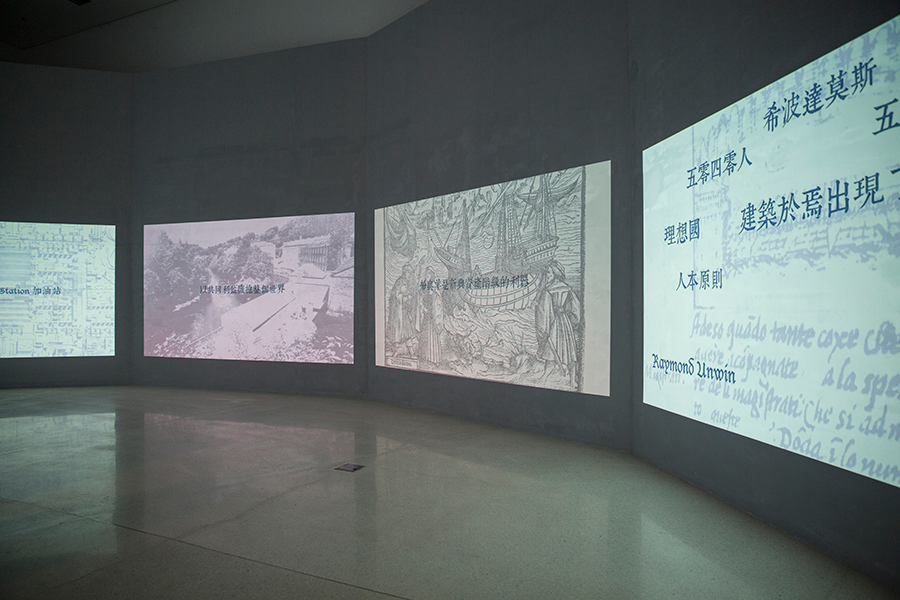
    烏托邦出櫃
    Come out! Utopia
    2014 · 屏幕影像裝置 450×250×250cm(約 5 分鐘) · screen installation, 450×250×250cm (approx. 5 min.)

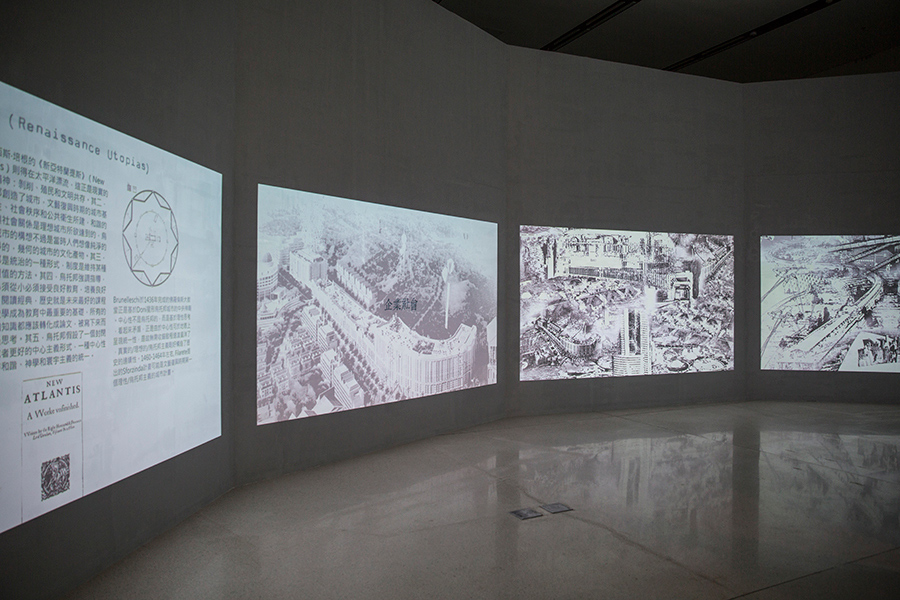
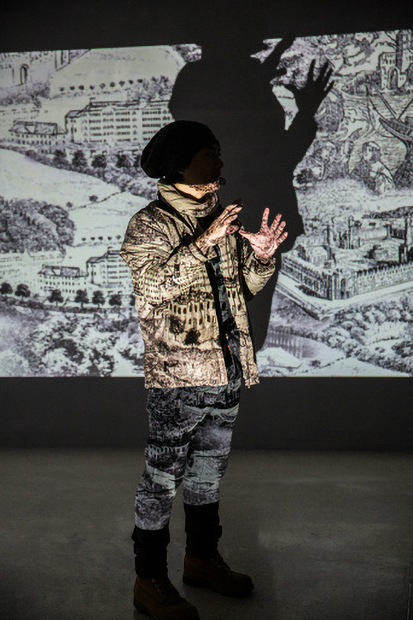
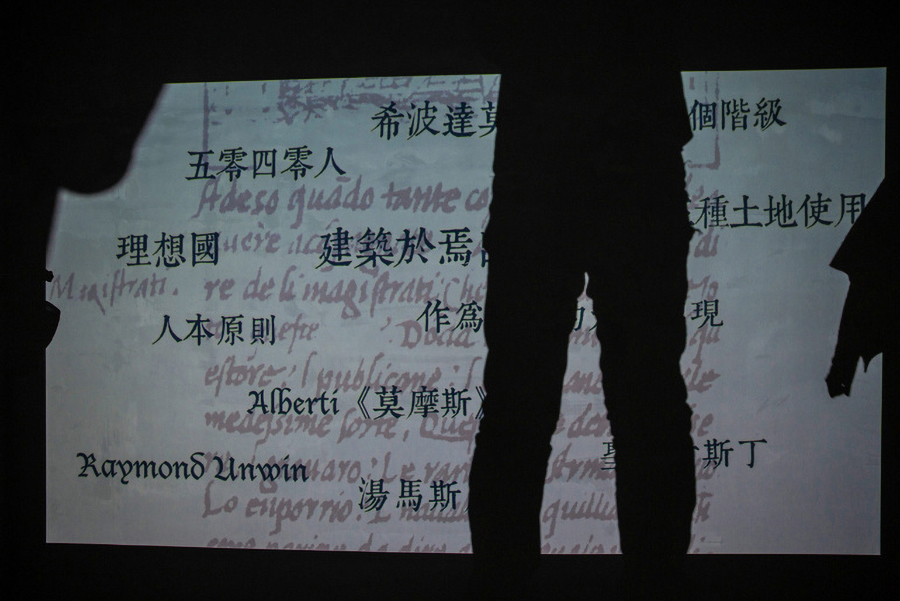
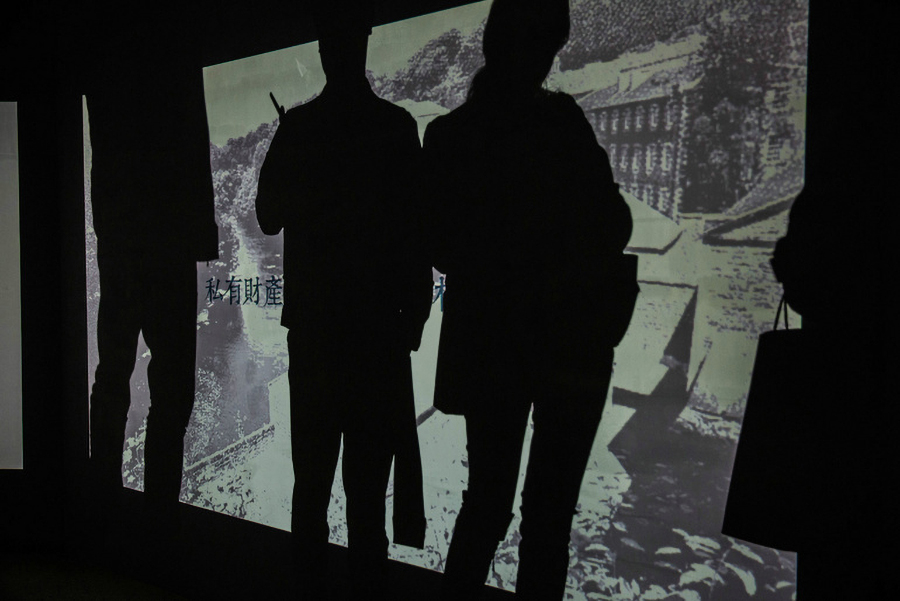
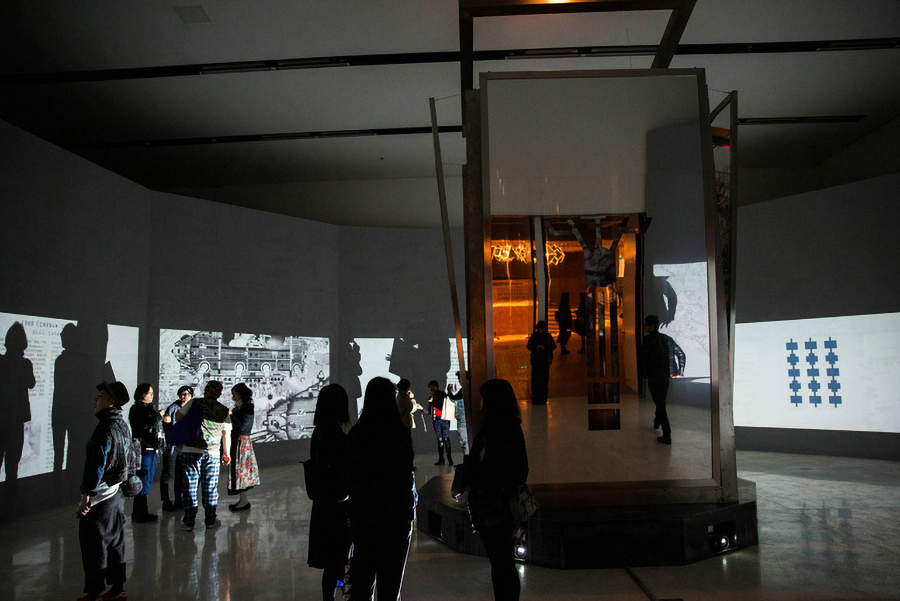
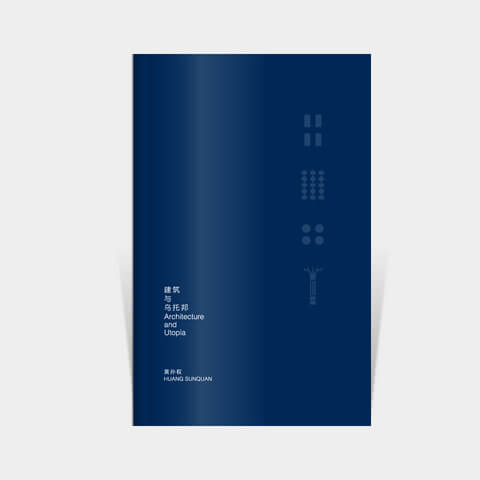
    建築與烏托邦是歷史雙生兒——烏托邦者的建築幼稚,構想完美政治後淪為圓或方的集中營;建築師的烏托邦天真,以形式消除社會罪惡而淪為形式主義。《出櫃》精煉烏托邦主義者的城市理想與形式悲劇的灰燼:一座巨型鏡塔,立面切割擷取自歷史上著名烏托邦建築師方案,將他們未曾實踐的藍圖以真實比例 3D 模型放入塔中;鏡面凹凸反射他們的智慧與現實之差距。鏡塔之外,以建築師擅長的類型學建檔方式,整理建築與烏托邦的歷史批判圖文。首展於 2014 中央美術學院美術館第二屆 C.AFAM 雙年展。專書《建築與烏托邦》為本作延伸閱讀。

    Architecture and utopia are twins of history — a utopian's architecture is naive, conceiving a perfect political structure modelled as a circular or rectangular concentration camp; an architect's utopia is innocent, attempting to eliminate social evil through form and descending into formalism. Come out! Utopia distils the utopian ideality of cities and the embers of formalist tragedy: a colossal mirror tower whose façade is cut to excerpt the elevations of famous utopian architects' unrealised plans, with their blueprints rendered as life-sized 3D models inside the tower; concave-convex mirrors reflect the gap between their wisdom and reality. Surrounding the tower, a typological archive — a method architects are skilful at — presents historical criticism of architecture and utopia in images and text. Premiered at the 2nd CAFAM Biennale at the CAFA Art Museum (2014). The book Architecture and Utopia accompanies this work as a reading companion.